A commissioned article on Morocco's literary and political tradition — from Ibn Battuta to the Rabat Book Fair 2026.


The Rabat International Book Fair runs from April 30 to May 10, drawing thousands of visitors and participants from dozens of countries. That alone would be enough to take notice. But this year Rabat is also UNESCO's World Book Capital — a designation that turns what might otherwise be a literary calendar event into something with a clearer argument behind it: that Morocco is a country with a serious cultural life, and it wants the world to know.
That Crown Prince Moulay El Hassan personally opened the fair is not incidental. Publishers, authors, policymakers and foreign delegations all share the same space for ten days. The fair has long functioned as more than a book market — it's where culture, politics and diplomacy quietly do business together. This year that subtext is closer to the surface than usual.
The decision to move the fair from Casablanca to Rabat fits the same logic. Placing it in the political capital makes a point: culture is not separate from national ambition. It is part of it.
Ibn Battuta and a long tradition of storytelling
The theme of this year's fair centres on Ibn Battuta, the 14th-century traveller from Tangier whose accounts of his journeys are still read today. The choice is deliberate. For many Moroccans he represents something that runs deep in the culture — movement, curiosity, making sense of the world through language.
Morocco has a rich, multilingual literary tradition that stretches back centuries. Where literature in Europe became increasingly tied to individual authors, novels and the printing press, language in Morocco remained entangled with oral tradition, collective memory and public storytelling for far longer. That literary world grew at the intersection of Amazigh, Arab, African and Andalusian influences — a culture in which stories were not only read but recited, sung and passed between people. It was never a quiet, solitary thing.
When writing becomes political
In the twentieth century, writing took on a sharper edge. Under and after French colonisation, Moroccan writers increasingly used literature to say things that had no other outlet — to open up social tensions, challenge structures, push at what was allowed. Driss Chraïbi caused a genuine stir in 1954 with a novel that went directly at family and social hierarchies. Later, Tahar Ben Jelloun — internationally known for his work on migration, identity and postcolonial experience — wrote about what it means to live between worlds, in the kind of prose that doesn't easily fit one tradition or one language.
Where journalism and literature drifted apart in much of Europe, in Morocco they ran together for much longer. Writers used novels, poetry and essays not only to make fiction but to respond — to political pressure, to social change, to the gap between what a society says about itself and what it actually is. In a multilingual context, that produced a particular kind of writing: personal, hybrid, hard to categorise.
From the 1960s onward, that tendency became explicit in platforms like Souffles-Anfas, a journal where literature, journalism and political analysis genuinely mixed. It was eventually banned for its critical stance — a reminder that in Morocco, culture and politics have never been entirely separate things, and probably never will be.
The Morocco that appears between the lines
That tradition is not history. It lives on in new generations of writers, readers and thinkers — and in the numbers. According to the National Library of Morocco, more than 7,100 new titles were published in 2025, nearly a third of them fiction and literature. Among young urban Moroccans, reading culture is visibly growing: through social media, independent bookshops and literary cafés appearing across Rabat and Casablanca.
Rabat is positioning itself this year as the place where those voices converge — Moroccan authors, diaspora writers, international guests — using culture to have conversations that don't always happen elsewhere. For the millions of Moroccans in Europe who know the country through family and summers and secondhand stories, that matters. Culture is increasingly becoming a way back in. A way to find connection with a place that is more layered, more literary, more argumentative than it might have seemed from a distance.
Morocco has always told stories. It's been building an industry around them for a while now. Rabat, this year, is where that becomes hard to ignore.
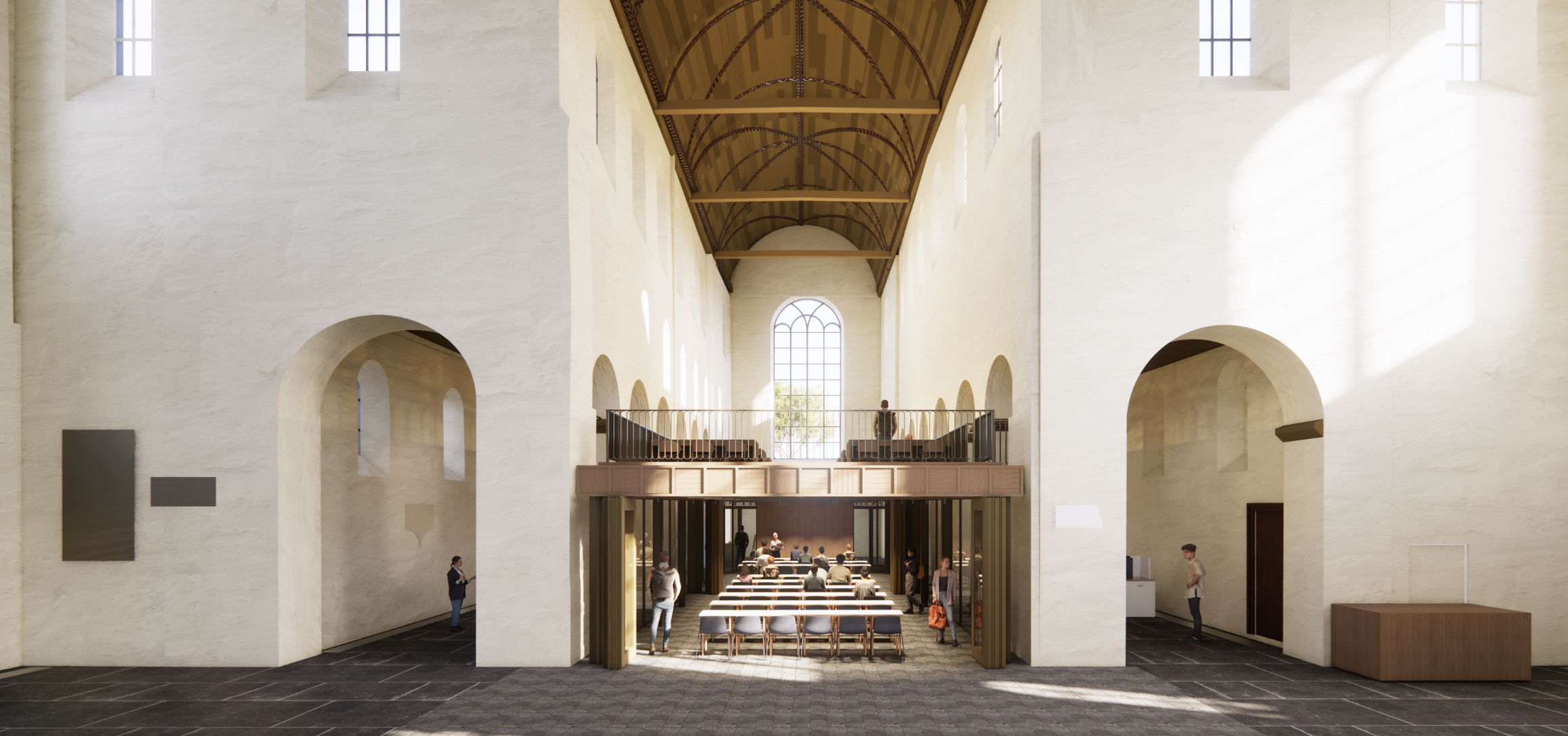
Article for Erfgoedstem on the recently completed renovation of the nearly 1,000-year-old Janskerk and its pioneering shared use by church and university.
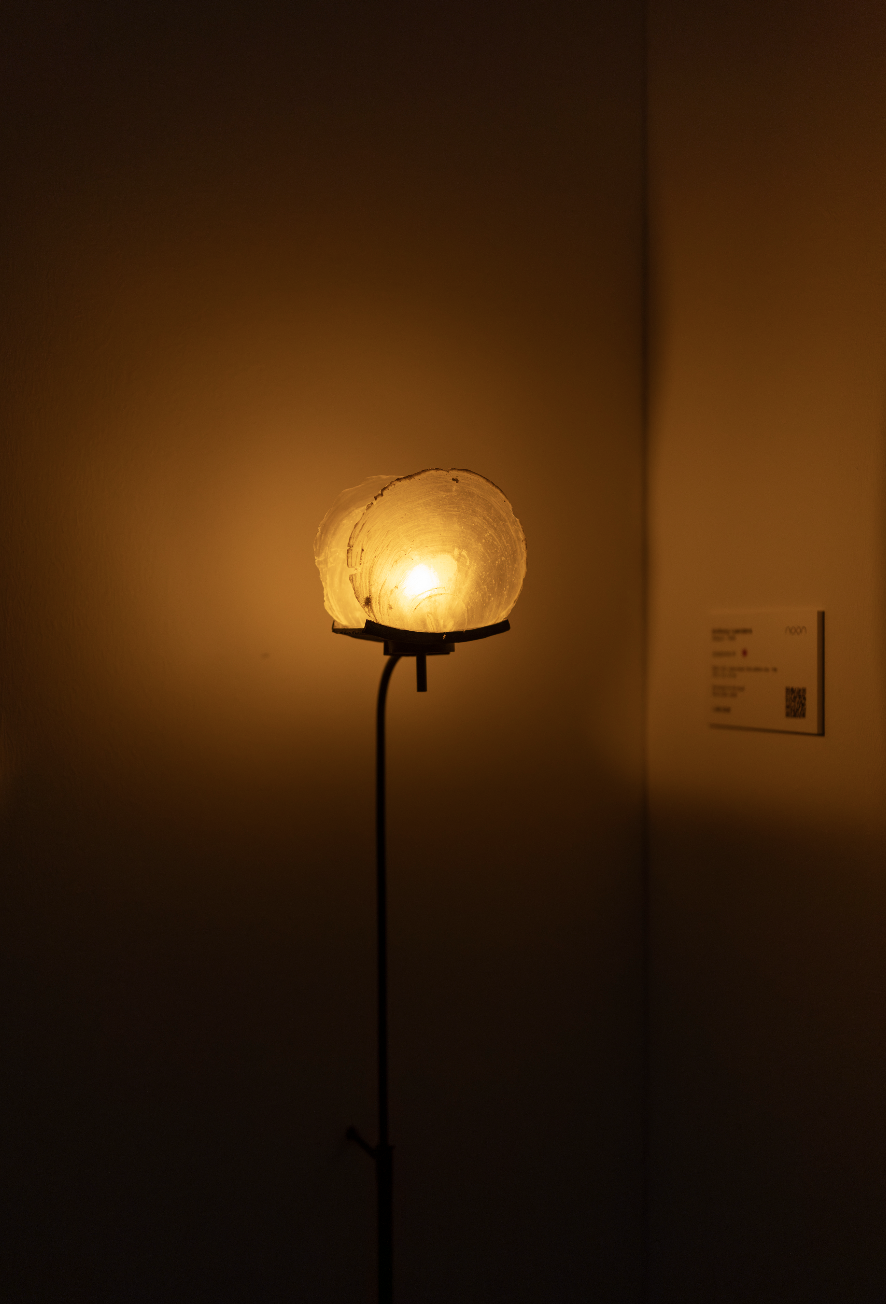
Article for PAN Amsterdam on the stories, objects and collections coming together at the fair’s 39th edition.
Article for Architectenweb on Van Hoogevest Architecten’s restoration of Utrecht’s historic Magazijn De Zon, revealing 175 years of architectural layers