Commissioned article on the Caftan Week in Marrakech, where Moroccan craftsmanship and family tradition meet a new generation of creators of all kind reshaping the caftan into a global fashion statement.


Earlier this week, Atlas Nieuws already reported on Caftan Week and the recent UNESCO recognition of the Moroccan caftan. The annual event centers around a garment that, for many Moroccans, immediately evokes memories of weddings, family gatherings, mothers, aunts, and generations of traditions. But the international attention did not appear out of nowhere. The evolution of the caftan also reflects the transformations Morocco itself has undergone over the past decades: urbanization, the rise of a middle class, changing ideas around femininity, and the emergence of a creative industry that does not reject tradition, but reshapes it.
Well into the twentieth century, the caftan mainly belonged to weddings, religious celebrations, and major family occasions. Designs differed strongly between regions and families, from rich gold embroidery and heavy luxury fabrics in cities like Fez and Tetouan to lighter fabrics, brighter colors, and simpler cuts more commonly found in the south around Agadir and Souss. Yet the foundation remained recognizable: hand embroidery, rich textile traditions, and techniques often passed down through generations.
During the 1960s and 1970s, this slowly began to change. Moroccan cities such as Casablanca and Rabat expanded rapidly, and a new urban middle class emerged. Within this environment came a growing demand for clothing that remained traditional while also fitting into a more modern, urban lifestyle.
A new generation of designers therefore started looking differently at the caftan — not only as heritage, but also as fashion. They experimented with new fabrics, luxurious finishes, and more contemporary silhouettes, allowing the caftan to increasingly move beyond the traditional sphere and appear in salons, fashion shows, and eventually on international stages.
One of the most influential names from that period was Naima Bennis (1940–2008). Her designs, using silk, brocade, and refined embroidery, became popular among urban and affluent circles and helped position the caftan as couture rather than solely ceremonial clothing.
The creations of Naima Bennis and her contemporaries increasingly reached international audiences from the 1960s onward. Figures such as Yves Saint Laurent, Catherine Deneuve, Queen Beatrix of the Netherlands, and Umm Kulthum appeared in Moroccan caftans, while Diana Vreeland, the iconic editor-in-chief of Vogue, extensively wrote about the cultural allure of Moroccan fashion.
Behind this development lies an entire economic ecosystem. Around the caftan, a complete sector has emerged: tailors, embroiderers, weavers, and artisans who sometimes spend weeks working on a single design. In cities such as Fez, Salé, and Marrakech, specialized ateliers still preserve and pass on traditional techniques.
One caftan often represents the work of dozens of people. According to researchers such as Zhor Rehihil, the value of the garment lies not only in the final product, but in the generations of knowledge and cultural identity it carries.
From the 1990s onward, international interest in the caftan increased significantly. Moroccan designers appeared more frequently at fashion events in Paris and Dubai, while diaspora communities in Europe helped drive demand for more luxurious and contemporary designs.
For many young women in the diaspora, the caftan is no longer purely ceremonial. Through social media, a new visual language around Moroccan heritage is emerging — one where vintage jewelry, traditional fabrics, and modern silhouettes coexist. Influencers and content creators reinforce this movement through styling videos, bridal looks, and “get ready with me” content around Eid and wedding season, making the caftan more visible outside Morocco than ever before.
That same evolution can be seen during Caftan Week in Marrakech, where a new generation of designers, stylists, and photographers reinterpret heritage. Designers such as Hind Lamitri combine traditional embroidery techniques with more modern silhouettes and materials. As a result, the caftan today is no longer only about tradition or ceremony, but also about identity, femininity, migration, and the ways younger generations of Moroccans reshape their cultural heritage.
Commissioned article written for Atlas Nieuws, may 2026.
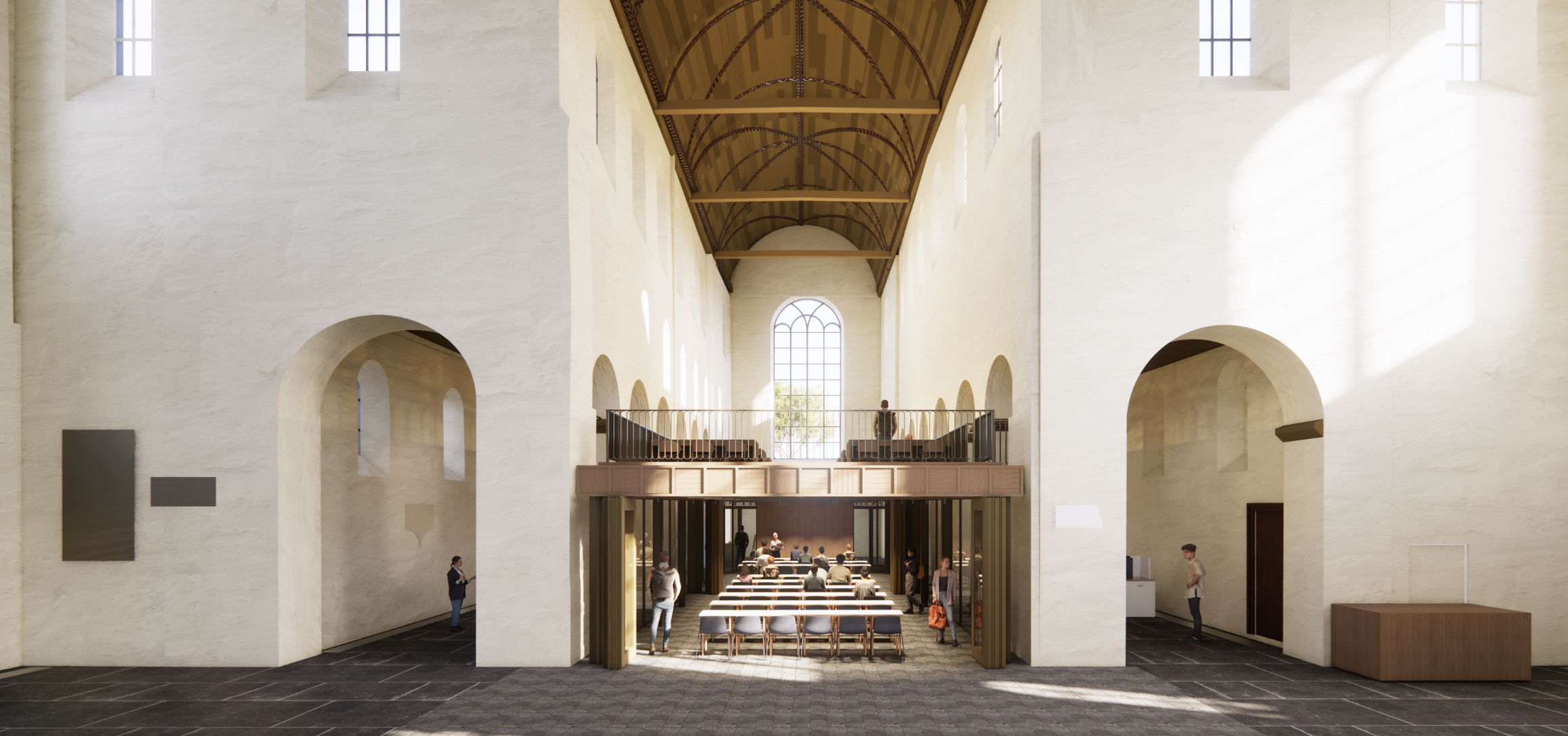
Article for Erfgoedstem on the recently completed renovation of the nearly 1,000-year-old Janskerk and its pioneering shared use by church and university.
Article for PAN Amsterdam on the stories, objects and collections coming together at the fair’s 39th edition.

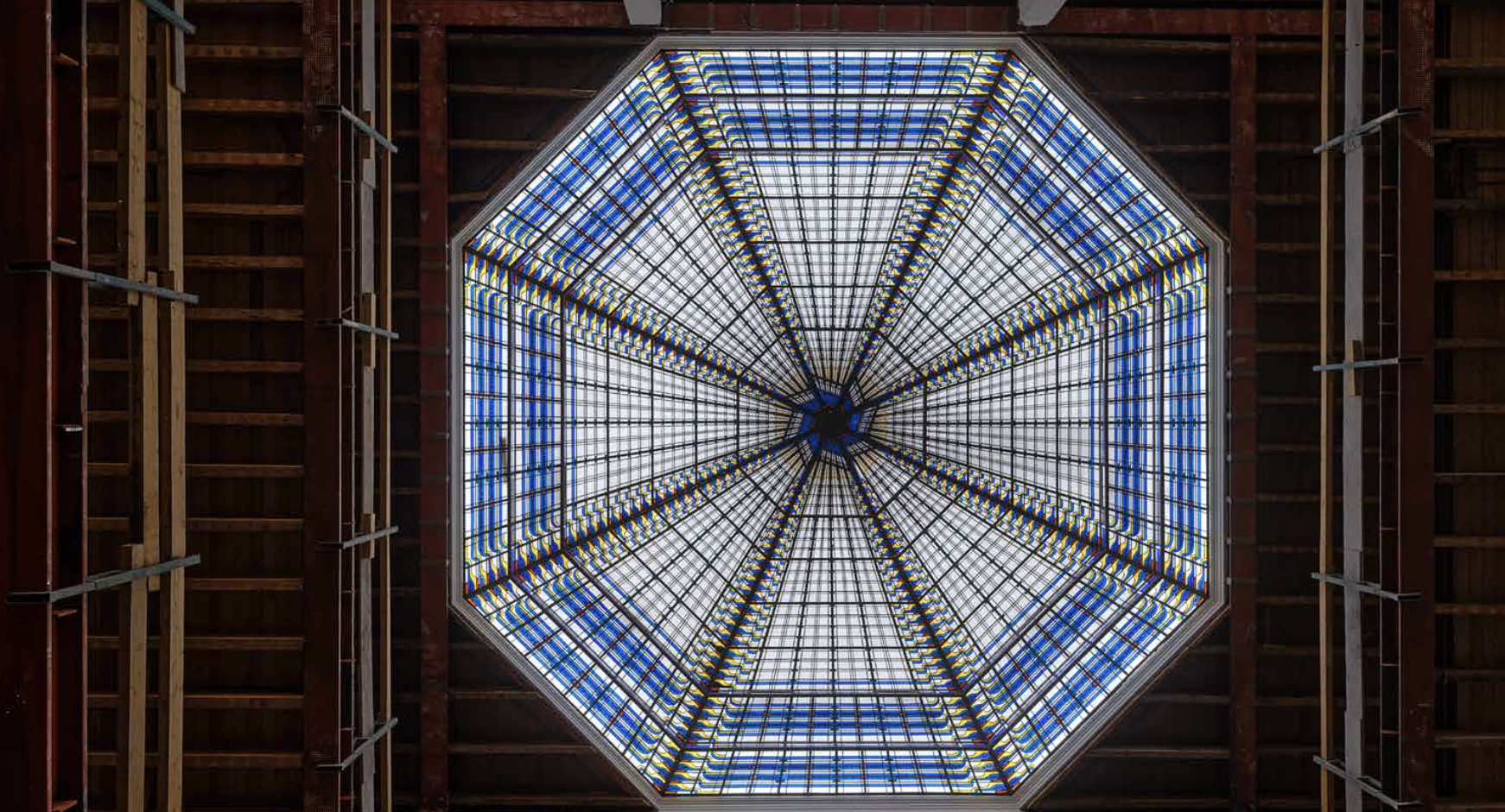
Article for Architectenweb on Van Hoogevest Architecten’s restoration of Utrecht’s historic Magazijn De Zon, revealing 175 years of architectural layers