Article for PAN Amsterdam on the stories, objects and collections coming together at the fair’s 39th edition.


This multidisciplinary character has been part of PAN from the beginning. Modern art was already represented at its inaugural edition in 1987, alongside the more traditional art and antiques trade. Over nearly four decades, that breadth has allowed the fair to reflect not only what people collect, but also how the very idea of collecting changes over time.
For its 39th edition, that question feels particularly relevant. The boundaries between art, design, fashion, popular culture and collectables are becoming increasingly fluid. Objects that might once have existed outside the traditional art-market canon — from vintage watches and rare sneakers to fashion pieces and sports memorabilia — are increasingly collected, researched and valued with a level of attention once associated primarily with fine art and antiques.
Place Lionel Messi’s match-worn World Cup shirt next to a painting by Karel Appel and an intriguing question emerges: what, exactly, makes one object art and the other a collectable? And does that distinction still matter? At PAN Amsterdam 2026, that question becomes tangible. Old Masters, modern and contemporary art, jewellery, design and antiques increasingly share the floor with vintage watches, fashion, sports memorabilia and other collectables. It reflects a much broader development in collecting culture: we are becoming less interested in categories, and increasingly interested in the cultural meaning, provenance and stories objects carry.
For generations, collecting was largely associated with established categories: fine art, antiques, jewellery and decorative arts. Today, the landscape is considerably more fluid. A rare sneaker, vintage watch, iconic fashion piece or match-worn football shirt can inspire the same degree of research, connoisseurship, emotional attachment and competition among collectors as a painting or antique object. The object itself has not necessarily changed. What has changed is the way we assign value to it.
For a younger generation in particular, collecting is increasingly connected to identity, cultural memory and personal taste. A design chair can sit beside a contemporary painting; a vintage photograph alongside a football shirt; an inherited object next to a watch sourced online. Rather than asking “Is this art?”, collectors are increasingly asking: “What does this object mean to me — and what story does it carry?”
Collectables are by no means new. Watches, sports memorabilia, fashion and popular-culture objects have been collected for decades. What is new is their visibility and proximity to the traditional art market. Digital platforms have accelerated that shift. Instagram, TikTok, specialist marketplaces and online collector communities increasingly influence discovery, taste and value alongside galleries, museums, auction houses and art historians.
Objects that once circulated within relatively small communities of enthusiasts can now reach millions of people. A rare watch, archival fashion piece or sneaker release can become culturally significant almost overnight. The result is not necessarily a new collecting culture, but one whose boundaries have become far more visible — and porous.
Most major international fairs are organised around relatively distinct disciplines: TEFAF around art and antiques, Frieze around contemporary art, Design Miami around collectible design, and Watches and Wonders around watchmaking. PAN Amsterdam has historically taken a multidisciplinary approach. Art, antiques, jewellery, photography, design and other collecting fields have long existed alongside one another.
That makes PAN particularly interesting at this moment. Rather than introducing collectables into an otherwise singular format, the fair provides a physical space in which different definitions of value can be seen — and debated — side by side. In that sense, PAN can function as a lens onto a much larger international development: the changing way we define collecting, cultural heritage and artistic value.
For much of art history, cultural value was established largely from the top down: museums, scholars, galleries, critics and auction houses helped determine what deserved to enter the canon. Collectables complicate that model. The desirability of a rare sneaker, vintage watch or piece of sports memorabilia can emerge from the bottom up, through communities of collectors, specialists and online platforms. Expertise still matters enormously, but authority is increasingly distributed. What happens to the traditional art-world hierarchy when communities can create their own cultural canon?
Scroll, save, collect. A new generation often encounters objects first through a screen rather than a museum or gallery. Art, fashion, interiors, design and popular culture appear within the same visual feed — and increasingly enter collections in much the same way. The result is a more personal and eclectic approach to collecting. A vintage watch, photograph, contemporary artwork, inherited object and iconic piece of fashion can coexist because together they express something about their owner. Where previous generations may have built collections around categories, younger collectors can be more inclined to build them around identity, aesthetics and cultural affinity.
Objects continuously move between economic and emotional definitions of value. A watch begins as a functional object, becomes a collectable and investment, and decades later may become a family heirloom whose emotional significance far exceeds its market price. The same applies to fashion, furniture, jewellery and memorabilia. Their changing status reminds us that value is never entirely fixed: it depends on who is looking, and when.
The expansion of collectable culture is economic as well as cultural. Certain categories of watches, fashion, photography, design, memorabilia and other collectables can provide entry points at very different price levels from established fine art. For emerging collectors, this can make the idea of building a collection feel less remote. Instead of waiting until they can afford a major artwork, they can begin with an object connected to a world they already understand. Collecting becomes less about entering the art world and more about developing an eye within your own cultural world.
Traditionally, rarity was closely connected to numbers: an object was scarce because few examples existed. Contemporary collectables add another dimension: cultural scarcity. A football shirt may not be unique as an object, but the shirt worn during a historic match is. A sneaker from a limited release gains significance through the cultural moment surrounding it. Provenance transforms an otherwise reproducible object into something singular. Increasingly, scarcity is not simply numerical. It is narrative.
Against an endless cycle of new collections, releases and disposable consumption, collecting vintage represents an almost opposite impulse: choosing objects precisely because they already have a history. A vintage watch, second-hand design piece or archival garment embodies longevity, craftsmanship and continuity. In that sense, the renewed fascination with vintage can also be understood as part of a broader turn towards slow culture: quality over quantity, longevity over novelty, and meaning over disposability.
There is also a counterargument. If a sneaker, football shirt, handbag and painting are all presented as culturally valuable objects, does this enrich our understanding of collecting — or dilute the definition of art? The art market itself is negotiating that question. Dealers and fairs are broadening categories and responding to collectors whose interests no longer fit neatly within traditional disciplines. PAN provides an unusually visible setting for that tension because established art forms and emerging collectable categories appear physically alongside one another. Perhaps the most interesting question is therefore not whether a match-worn Messi shirt is art. It is why we still need to decide.
This article was written for our client PAN Amsterdam.
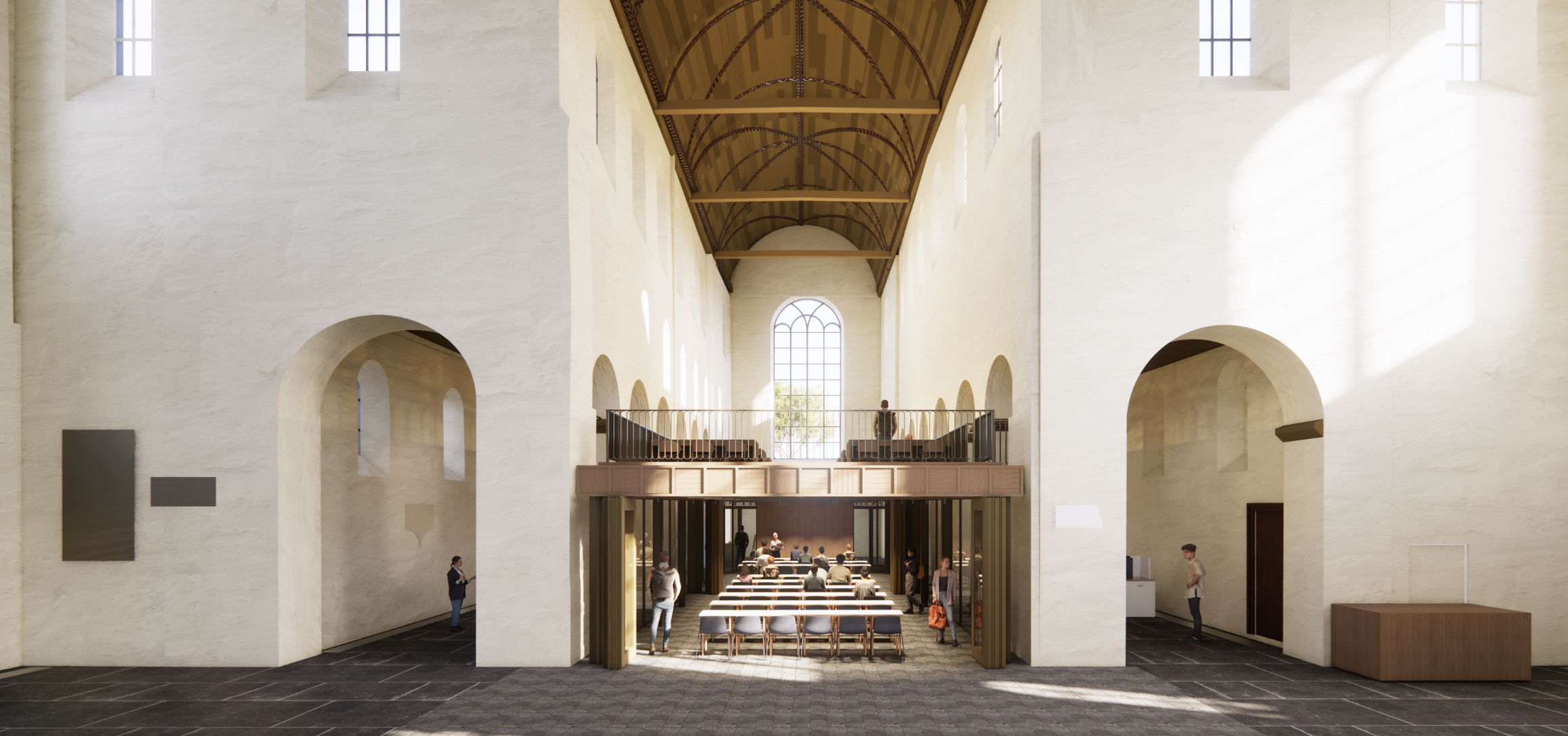
Article for Erfgoedstem on the recently completed renovation of the nearly 1,000-year-old Janskerk and its pioneering shared use by church and university.
Article for PAN Amsterdam on the stories, objects and collections coming together at the fair’s 39th edition.
Article for Architectenweb on Van Hoogevest Architecten’s restoration of Utrecht’s historic Magazijn De Zon, revealing 175 years of architectural layers